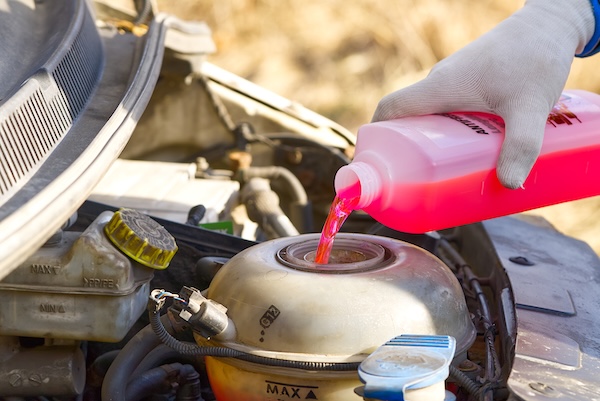
It is a question we hear all the time at our shop. Drivers are usually familiar with oil changes, brake service, and tire rotations, but fluid flushes tend to feel less straightforward. Because of that, many people assume they are optional or only needed when something goes wrong. In reality, fluid flushes are often a key part of keeping a vehicle dependable, safe, and protected from unnecessary wear.
The truth is that your vehicle relies on several different fluids every time you drive. These fluids do much more than simply fill a system. They help control heat, reduce friction, prevent corrosion, transfer hydraulic force, and keep major components working the way they should. Over time, though, those fluids break down. They collect contaminants, lose their protective qualities, and stop performing at the level your vehicle needs. That is why fluid flushes matter. They are not just another maintenance item on a checklist. They are a way to help prevent larger problems from developing.
What A Fluid Flush Actually Means
A fluid flush is more than just topping something off. When a fluid is low, adding more may restore the level, but it does not remove the old, worn-out fluid that is still circulating through the system. A flush is designed to remove degraded fluid, contamination, and buildup, then replace it with fresh fluid that can properly protect the components involved.
That difference is important. Old fluid may still be present, but that does not mean it is still doing its job. A vehicle can have the correct fluid level and still have fluid that is too dirty or too degraded to protect the system as it should.
In our shop, we look at fluid condition just as much as fluid level. A full reservoir does not always mean the vehicle is in good shape.
Why Automotive Fluids Cannot Last Forever
Every fluid in your vehicle works in a harsh environment. Heat cycles, pressure, friction, moisture, and debris all take a toll over time. Even under normal driving conditions, those fluids gradually lose their effectiveness.
Brake fluid, for example, can absorb moisture as time passes. Coolant can lose the additives that protect against rust and corrosion. Transmission fluid can degrade under heat and repeated use. Power steering fluid can become contaminated as parts wear. None of this happens overnight, which is part of the reason fluid problems are easy to overlook.
The slow nature of fluid breakdown is exactly what makes it risky. Many drivers do not notice anything wrong until symptoms become obvious. By then, the system may already be under stress or beginning to fail.
Which Fluid Flushes Matter Most
Not every vehicle needs the same fluid services at the same time, but there are a few that commonly play a major role in long-term vehicle health.
- Coolant Flush: Helps prevent overheating, corrosion, and damage within the cooling system
- Brake Fluid Flush: Helps maintain braking performance and protects internal brake components
Depending on the vehicle, transmission fluid, power steering fluid, and differential fluid may also need service at certain mileage or age intervals. That is why vehicle-specific recommendations matter. What works for one car may not be right for another.
Are Fluid Flushes Ever Unnecessary
This is where a lot of confusion comes in. Some drivers have been told they should flush every fluid on a fixed schedule, no matter what. Others have heard that certain fluids are “lifetime” fluids and never need attention. In our experience, the truth usually lands somewhere in the middle.
A quality maintenance recommendation should be based on the manufacturer's guidelines, the condition of the fluid, the age and mileage of the vehicle, and how that vehicle is used. A car that spends its life in stop-and-go traffic, hot weather, steep terrain, or towing conditions will usually put more stress on fluids than one used gently on the highway.
We do not believe in recommending flushes just to recommend them. We believe in checking what the vehicle actually needs and explaining why. Sometimes a flush is absolutely the right move. Sometimes a fluid is still in good shape and can wait. The key is making that call based on facts, not guesswork.
What Can Happen If You Skip Them
Skipping needed fluid flushes can lead to problems that start quietly and grow over time. A neglected cooling system can develop corrosion or restricted flow, leading to overheating. Old brake fluid can affect braking feel and increase wear in expensive components. Degraded transmission fluid can contribute to hard shifting, slipping, and internal transmission damage.
These issues are not always dramatic at first. In fact, many drivers continue using their vehicle normally while the damage slowly builds in the background. Then one day, the repair is no longer minor. It becomes a failed part, a major leak, or a system that no longer performs the way it should.
One of the most frustrating things for drivers is realizing the repair could have been prevented. That is why regular fluid service matters so much. It is usually far more affordable to maintain a system than to rebuild or replace it.
Signs Your Vehicle May Need Fluid Service
There are times when your vehicle starts giving clues that a fluid has reached the end of its useful life. Some of the most common signs include:
- Rough shifting, delayed gear engagement, overheating, or a sweet smell from under the hood
- Soft brake feel, noisy steering, or fluid that looks dark, dirty, or contaminated
Even when none of those symptoms are present, your vehicle may still be due based on age or mileage alone. That is why inspections are so valuable. We can often spot a problem before it turns into something you feel on the road.
Why Fluid Flushes Often Get Delayed
Many drivers delay fluid flushes because the benefits are not always as obvious as replacing worn brakes or fixing a dead battery. If the car seems to be driving fine, it is easy to assume everything is okay. That thinking is understandable, but it can be expensive in the long run.
Fluid condition is one of those behind-the-scenes issues that affects how well your car holds up over time. A vehicle might still run smoothly even as the fluid in its critical systems loses its protective properties. Waiting until the car feels different can mean waiting too long.
We always tell our customers that maintenance works best when it happens before failure, not after.
Why We Recommend A Professional Inspection
Fluid service should not be based on guesswork or a generic sales pitch. At our shop, we inspect the fluid's condition, look for signs of contamination or wear, check the service history when available, and compare it to the needs of the specific vehicle.
That approach matters because not every flush recommendation is appropriate for every car. Some vehicles need certain services sooner than others. Some have manufacturer requirements that should be followed closely. A professional inspection helps make sure the service is timely, useful, and based on what will genuinely help protect the vehicle.
Our goal is not to sell unnecessary work. Our goal is to help drivers avoid preventable problems and keep their vehicles reliable.
So, are fluid flushes necessary? In many cases, absolutely. They are an important part of protecting your vehicle from wear, overheating, corrosion, poor performance, and costly repairs. While not every fluid needs to be flushed at the same interval, ignoring them entirely can create problems that surface much later and cost far more to fix.
We see fluid maintenance as one of the smartest ways to care for a vehicle over the long term. Clean fluids help critical systems operate properly, reduce stress on expensive parts, and give your car a better chance of staying dependable mile after mile.
Get Fluid Flushes at Ming’s Auto Repair
If you are unsure whether your vehicle is due for a fluid flush, let our auto repair shop check it out. We can inspect your fluid condition, explain what your vehicle needs, and help you stay ahead of bigger problems. Call us today or stop by Ming’s Auto Repair to schedule a fluid inspection and keep your car performing at its best.
Check out our latest special on fluid services!