If your vehicle has 4x4 or AWD, the transfer case is the part that makes that extra traction possible. It sits behind the transmission and routes power to the front and rear axles, depending on how the system is designed.
Most drivers never think about it until something feels off, like binding in tight turns, unusual noises, or a warning light. Knowing what it does makes it easier to understand why fluid service and small symptoms matter.
Transfer Case Basics For 4x4 And AWD
A transfer case is a gearbox that takes power from the transmission and sends it to both ends of the vehicle. In a traditional 4x4, it can usually send power to the rear wheels only, or to all four wheels when you select 4WD. In many AWD vehicles, it is part of a system that automatically varies how much power goes front and rear based on traction needs. Either way, it is the middleman that makes multiple driven axles work together.
How Power Gets Split And Why It Matters
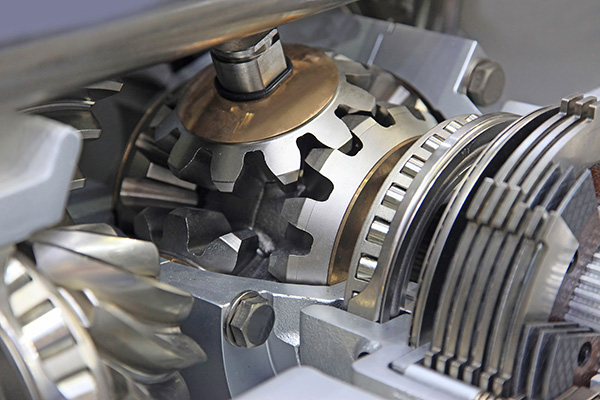
Some systems use gears, chains, or clutches to split torque. Others rely on electronically controlled clutch packs that can tighten or loosen based on wheel slip and driving conditions. When everything is healthy, the system blends traction smoothly, so you just feel confident grip. When components wear or fluid breaks down, the system can start reacting late, engaging harshly, or making noise as it tries to transfer power.
High Range, Low Range, And Locking Features
Many 4x4 transfer cases have high range for normal driving and low range for slow-speed torque, like steep hills, deep snow, or pulling through mud. Low range is not about speed, it is about multiplying torque so the vehicle can move with less strain and better control.
Some systems also include a locking feature that forces a fixed split between front and rear, which can be useful off-road but can bind on dry pavement. AWD systems usually do not have driver-selected low range, but they still use internal clutches to manage how power is shared.
Common Transfer Case Problems Drivers Notice
Transfer case issues often show up as sensations more than obvious failures. You might hear a whine that changes with speed, a grinding noise under load, or a clunk when shifting between Drive and Reverse. Some drivers notice shuddering or a hopping feel during tight, slow turns, especially in parking lots, which can point to binding or clutch issues.
If a warning message appears for AWD or 4WD, that is the system telling you it is not happy, and a quick inspection is the best way to prevent the problem from spreading.
What Causes Transfer Case Wear And Damage
Low or contaminated fluid is a big one, because the transfer case relies on proper lubrication for bearings, gears, and chains. Heat and heavy load also matter, like towing frequently, driving in deep snow for long stretches, or using 4WD on high-traction pavement.
Another common cause is mismatched tires, because different tire sizes or uneven tread depths can force the system to constantly compensate, which wears clutches and creates extra heat. We have seen transfer cases act up simply because one tire was replaced and the others were significantly more worn.
Transfer Case Fluid Service And What It Protects
Transfer case fluid is not the same as engine oil, and it is not always the same as transmission fluid, either. It is chosen to protect specific components and friction surfaces, and the correct type matters. Over time, fluid breaks down from heat and normal wear, which reduces lubrication and can change how clutches behave in AWD systems.
Keeping transfer case service on schedule as part of regular maintenance helps protect bearings, chains, and clutch packs so the system stays quiet and responsive.
Get Transfer Case Service In Allston, MA With Ming's Auto Repair
If your 4x4 or AWD system is making noise, binding in turns, or showing a warning light, the next step is to book service so the transfer case can be checked and repaired correctly.
Schedule service with Ming's Auto Repair in Allston, MA, when you want the drivetrain working the way it should and the traction system ready for the next bad-weather day.