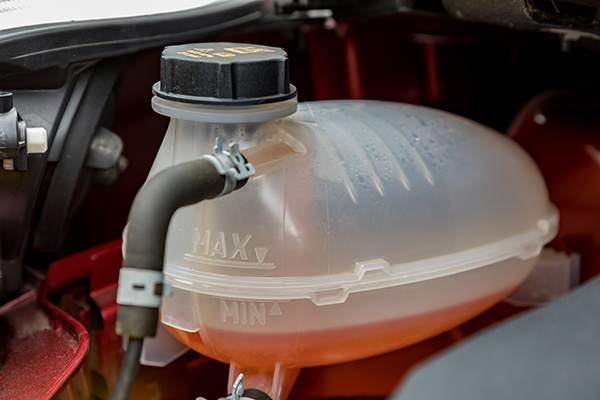
A Volkswagen coolant leak can begin with a faint sweet smell, a low coolant message, or dried pink residue around the engine. The vehicle may continue driving normally at first, which makes the problem easy to postpone. As the leak grows, coolant loss can lead to unstable engine temperature, poor cabin heat, and overheating.
Water pumps and thermostat housings are two frequent leak sources on many Volkswagen engines. Depending on the model, they may be combined into one assembly or mounted close together. Plastic construction, seals, heat cycles, and cooling system pressure can all contribute to failure as the vehicle ages.
Why Volkswagen Water Pumps Begin Leaking
The water pump circulates coolant through the engine, radiator, heater core, and related passages. Some Volkswagen engines use a mechanically driven pump, while others rely on an electric pump or a pump built into a larger thermostat module. A seal or housing can begin leaking even if the pump still circulates coolant.
Coolant may collect beneath the intake manifold, run down the engine block, or dry before reaching the ground. That means the reservoir can lose fluid without leaving an obvious puddle. A pressure test and close inspection around the pump help locate residue hidden behind hoses, covers, and other components.
Thermostat Housings Can Crack Or Lose Their Seal
The thermostat controls coolant flow based on engine temperature. On many Volkswagen models, it sits inside a molded housing with several hose connections and sealing surfaces. Repeated heating and cooling can distort the plastic, while O-rings and gaskets can harden or flatten over time.
A small housing leak may appear only when the engine is hot and the system is pressurized. Coolant can seep along a seam, gather in a recessed area, or leave a crusty pink or white deposit. Replacing only a visible seal may not provide a lasting repair if the housing itself has warped or cracked.
Common Signs Of A Coolant Leak
The first warning is often a low coolant message on the dashboard. Drivers may also notice a sweet odor after parking, a damp area beneath the front of the vehicle, or steam from the engine compartment. Coolant used in many Volkswagen vehicles is commonly pink or purple, although dirt and age can change its appearance.
Cabin heat may become inconsistent if the system draws in air as the coolant level drops. The temperature gauge can also move higher than normal during traffic or climbing. Any low coolant warning that returns after topping off the reservoir indicates that the system needs testing rather than another refill.
Why The Leak May Seem To Come And Go
Cooling system leaks are affected by temperature and pressure. A worn seal may remain dry when the engine is cold, then begin leaking as the housing expands and pressure increases. Once the engine cools, the leak can slow or stop, making the source difficult to find during a quick visual check.
Coolant can also travel across brackets and engine surfaces before dripping elsewhere. The wet area beneath the car may be several inches away from the failed component. Cleaning old residue, pressurizing the system, and watching for fresh coolant helps separate an active leak from stains left by an earlier repair.
Can You Drive With A Small Coolant Leak?
Driving with a known coolant leak carries risk because the rate of loss can change quickly. A minor seep can become a steady leak if a plastic housing splits, a seal moves, or a hose connection breaks. Once the coolant level drops far enough, the engine may overheat before the driver reaches a safe place to stop.
Do not continue driving if the temperature rises, steam appears, the heater suddenly blows cold air, or the coolant warning is joined by reduced power. Shut the engine off and allow it to cool before opening anything. Removing a pressurized coolant cap while the system is hot can cause serious burns.
What Happens If The Engine Overheats
Excessive heat can damage cylinder head gaskets, plastic cooling parts, seals, and internal engine components. Modern Volkswagen engines depend on controlled operating temperatures, so even a short overheating event can create problems that extend beyond the original water pump or thermostat housing leak.
Coolant may also reach electrical connectors, belts, or nearby components. If the pump is driven by a belt, leakage can contaminate the belt and shorten its life. Repairing the leak early helps reduce the chance of secondary damage and keeps the cooling system from repeatedly drawing in air.
How The Cooling System Is Tested
Diagnostics begin by checking the coolant level, concentration, visible residue, and stored fault information. The system may then be pressure-tested to reproduce a leak without waiting for the engine to become fully hot. Some leaks are easier to see from underneath or after nearby covers are removed.
The technician may also evaluate pump operation, thermostat performance, cooling fan commands, and actual engine temperature data. An inspection should include hoses, the reservoir, radiator, fittings, and heater connections because more than one leak can exist on an older vehicle. The correct Volkswagen-approved coolant is important during regular maintenance because mixing incompatible types can reduce protection and create deposits.
Should The Pump And Thermostat Be Replaced Together?
The answer depends on the engine design, mileage, part condition, and the labor required to reach them. If the water pump and thermostat are part of the same assembly, both functions are addressed during the same repair. On other engines, replacing nearby aging components may prevent paying for overlapping labor again.
The repair should also include the correct seals, fasteners, coolant filling procedure, and system bleeding process. Air trapped in the cooling system can cause poor heater performance, unstable temperature, or misleading coolant levels. Testing after the repair confirms that the system holds pressure and reaches the correct operating temperature.
Get Volkswagen Coolant Leak Repair In Allston, MA, With Ming's Auto Repair
If your Volkswagen has a low coolant warning, sweet odor, dried coolant residue, or rising engine temperature, Ming's Auto Repair in Allston, MA, can test the water pump, thermostat housing, hoses, radiator, and complete cooling system.
Contact us to schedule an appointment before a small leak leads to overheating or additional engine damage.